

A data warehouse to lakehouse migration changes how data is stored, processed, and operated. It does not remove the need for trusted business definitions, reliable pipelines, or accountable data owners. The executive decision is whether those architectural changes solve a measurable business constraint at an acceptable operating cost. Consider a manufacturer whose overnight warehouse load …
 by Alok Kumar

The AI-Ready Data Foundation Gap: Why AI Roadmaps Stall Before They Start Most AI roadmaps get funded on the assumption that the data is ready. It usually isn’t, and the gap between “we have data” and an AI-ready data foundation is where most AI budgets quietly go to die. That’s not a rhetorical opener. Gartner’s …
by Alok Kumar 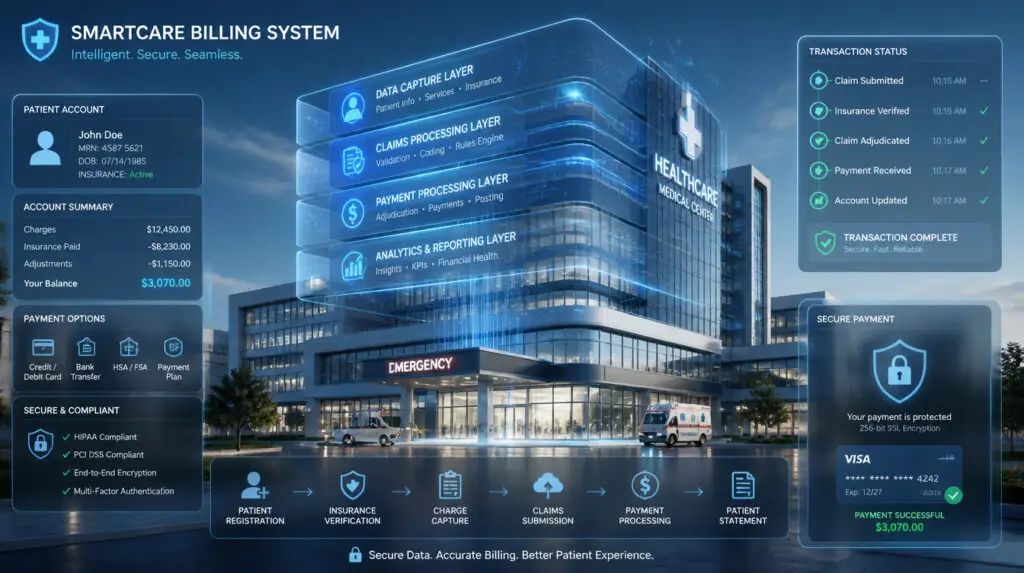
Explore how agentic AI and intelligent payment layers help hospitals reduce claim denials, automate revenue cycle workflows, improve payment accuracy, and recover lost revenue.
 by Riya Gajra

Enterprise AI agents rarely fail because of the model—they fail because of the governance around it. As organizations move from successful pilots to production, CIOs are being asked to own the “trust layer”: identity, permissions, guardrails, auditability, and accountability. This article explores why traditional access controls fall short, where guardrails should actually live, and the governance practices separating successful enterprise deployments from costly failures.
by Riya Gajra Input your search keywords and press Enter.